

The Best Espresso Machines Under $500
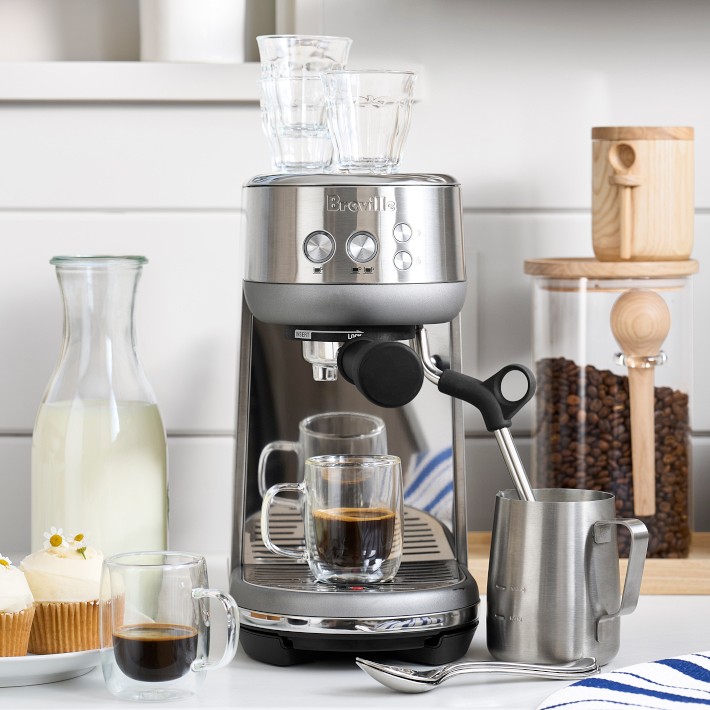
A grinder can take a large share of a $500 espresso budget. The best espresso machine under $500 is one that leaves room for the rest of the setup; the Breville Bambino is a compact manual option.
We may earn a commission from links in this guide. As an Amazon Associate I earn from qualifying purchases.
A $500 ceiling is enough to start making espresso at home, but it can disappear quickly once a grinder and basic tools enter the cart. The Breville Bambino makes a persuasive centerpiece if you want to learn the process. A lower-priced machine may leave more room for the grinder, though the details of its basket and accessories deserve a close look before you treat the difference as savings.
We like the Breville Bambino as the machine-first choice for someone who will buy a separate grinder. The CASABREWS and Neretva options leave more cash for the rest of the station, with tradeoffs in the workflow and build. Price a scale, pitcher and cleaning supplies before declaring any setup under budget.
Everything we recommend
Our picks

Our pick
Breville Bambino
A price cap on the machine is only useful when you budget for the coffee going into it. The Bambino gives a beginner a compact machine that can also use fresh grounds from an appropriate grinder later. Pressurized baskets can ease the first days with preground coffee, while unpressurized baskets make grind control more consequential. For milk drinks, expect to practice with the wand. Leave enough of the total budget for a grinder, scale and beans if you want to learn rather than simply try the machine.

For a lower machine budget
CASABREWS CM5418
The CM5418 is a smaller initial outlay for someone curious about home lattes. Its value depends on accepting more hands-on work and modest expectations for accessories and adjustment. Consider the drinks and frequency: a weekend latte is a different demand from four cups before a commute. Check the supplied basket and portafilter size before buying any separate tamper or replacement part. The machine is inexpensive only if it fits the workflow you will keep using.

For a small counter
Neretva Super Compact
The Neretva makes sense when counter space and a low entry price matter more than a broad upgrade path. Preground coffee and pressurized baskets simplify the start, but a future move to dialing in whole beans brings a grinder and a more deliberate routine. Check the cup clearance and where you would set a milk pitcher while using the wand. Small dimensions are helpful in a kitchen, yet there still needs to be working space around a hot machine.
The research

Spend the first dollars on a workable pair
At this price, the machine and grinder should be planned together. The Breville Bambino can be the center of a compact setup, but it still needs coffee ground finely and consistently enough for espresso. A small accessory budget matters too: a scale helps repeat a shot you liked, while a pitcher matters only if you make milk drinks. Avoid filling the counter with accessories before you know which problem needs solving.
The CASABREWS and Neretva options may look attractive beside the Bambino on a price list. Read the exact basket and portafilter setup on each listing and decide whether you want to learn to control extraction or prefer a more forgiving first cup. A machine that costs less initially can be frustrating if it sends you back to shopping for compatible parts immediately.
The first month matters more than the first morning
A first shot can be too fast, sour or bitter even with a capable machine. Change one variable at a time: grind setting, dose or how much liquid you let through. Write down what improved the cup. This takes a little patience, but it also tells you whether a new tool is necessary. A better grinder helps when you cannot make small, repeatable changes; an expensive tamper will not cure every problem.
If your main drink is a latte, account for the steam wand and the space beside the machine for a pitcher. If it is an Americano, think about the hot-water step and how easy the machine is to refill. The best espresso machine under $500 is the one whose daily sequence you can live with after the novelty fades, with enough of the budget left to make that sequence work.
How to choose the best espresso machine under $500
Start by deciding whether $500 is the machine budget or the complete station. The latter needs room for a grinder if you want to use fresh beans, plus a scale, beans and perhaps a milk pitcher. A more expensive machine without a suitable grinder can be frustrating to dial in. If you already have an espresso-capable grinder, the Breville Bambino becomes a stronger first choice. If you are starting from zero, compare the total before checking out.
A pressurized or dual-wall basket is useful with preground coffee because it creates more resistance without requiring the grind to be dialed in as precisely. It is a practical starting point, not a substitute for a good grinder when you want to learn fresh-bean espresso. Single-wall baskets make grind size, dose and tamp more consequential. Check which baskets are in the exact box you buy.
How the picks differ
Breville Bambino: the compact baseline
The Bambino is the most straightforward recommendation here for someone who wants to grow into espresso. Breville uses a 54 mm portafilter and says the ThermoJet system is ready in about three seconds. You dose and tamp manually, then learn the steam wand for milk drinks. It has no grinder, so the total cost depends on what you already own. Breville lists both single-wall and dual-wall baskets in the U.S. package, which gives beginners a transition path.
CASABREWS CM5418: lower-cost starting point
CASABREWS describes a 51 mm portafilter with two dual-wall filters for the CM5418. That is a more forgiving route for occasional drinks or preground coffee. The manufacturer also provides preset single and double shots and adjustable volume. Its smaller accessory size means you should buy tools made for 51 mm rather than assuming a 54 or 58 mm tamper will fit. Consider it when the budget has to leave more room for a grinder or when you are not yet committed to a daily espresso routine.
Neretva Super Compact: prioritize the footprint
This is for a tight counter where a larger machine would be inconvenient. Compare actual width, water-tank access and cup clearance with your space rather than relying on the word “compact.” Check the current listing for the included baskets, portafilter size and service support. A small chassis can still need room to handle a milk pitcher and remove the tank.
Gevi 58 mm machine: check the exact version
The Gevi entry offers a 58 mm accessory format in the linked configuration. That can be appealing if you already have 58 mm tools, but the brand sells several similarly named machines. Match the model number, controls and included basket on the current listing before buying. Do not infer brewing performance from a pump-pressure number alone; consistent temperature, grind and puck preparation matter more to the cup.
Tuni G2: a grinder to price separately
The Tuni is included as a companion purchase, not an espresso machine. It has timed dosing and a portafilter holder according to the listing. Its stepped adjustment can be limiting if the ideal espresso grind falls between positions. Compare its total with a machine you can afford and consider whether the grinder is the piece you would keep after a later machine upgrade.

For 58 mm accessories
Gevi 58 mm Espresso Machine
The one I’d look at for a 58 mm setup if I wanted a timer on the machine and a choice of three brew temperatures. Buy the grinder separately and plan to switch modes for steam.
Build a repeatable first routine
- Start with the supplied basket and a consistent dose. If using preground coffee, use the basket recommended by the manual.
- With fresh beans, adjust the grinder in small steps and record what you changed. A scale helps you compare the amount of coffee in and espresso out.
- Warm the cup and follow the machine’s preparation instructions. The most useful improvement is repeatability, not chasing a pressure number on the box.
- After brewing, empty the puck, rinse the portafilter and wipe and purge the steam wand if you used milk. Follow the specific descaling guidance for your water and machine.
Budget machines can make enjoyable drinks, but they are not maintenance-free. A daily routine that you can live with matters more than an accessory bundle you never use. If milk drinks are occasional, learn the basic shot first and add tools only when a specific problem appears.

Separate grinder to consider
Tuni G2 Burr Grinder
A way to keep the total down if you’re starting from scratch. You get timed dosing and a holder for 51 to 58 mm portafilters. The dial moves in steps, so the grind you want may fall between clicks.
A cheap machine still needs a workable coffee setup
At this price, a low-cost pump specification is a poor shortcut for cup quality. Check whether the machine includes a pressurized basket for preground coffee and a single-wall basket for freshly ground beans. The first makes it easier to get started without an espresso grinder; the second gives more room to adjust extraction once you have one. The Bambino has a more established accessory path around its 54 mm portafilter. The Gevi 58 mm listing should be checked by exact model because similarly named versions can differ.
If the budget is firm, consider spending less on the machine and more on a grinder you will keep. A scale, fresh beans and a repeatable dose can help more than buying a larger appliance with a dramatic bar rating. Allow room for cleaning supplies and a pitcher if you steam milk. Neretva’s compact size is useful only if you can still move the portafilter and pitcher comfortably in the space; measure working clearance, not just the machine width.
Frequently asked questions
Can I use preground coffee?
Yes, particularly with an included dual-wall basket. Fresh beans and a capable grinder offer more adjustment when you want to improve extraction.
Is a 20-bar pump better than a 15-bar pump?
The advertised pump rating alone is a poor way to rank espresso quality. Consider the machine’s control, temperature behavior, basket and the grinder you will use. The shot is made with much lower pressure at the coffee than a maximum pump number suggests.
Should I buy the grinder first?
If you already own a machine but cannot dial in fresh beans, a better grinder may be the useful next purchase. If you are starting from scratch, choose the pair together so the complete setup fits the budget.
How did we choose these products?
We compared the linked configurations for workflow, basket size, included tools, footprint and upgrade path. The selection emphasizes the complete setup and how much work each machine leaves to the owner. Manufacturer references include Breville Bambino, CASABREWS CM5418 and Gevi 58 mm. Verify exact model, current price and included accessories before purchase.