

The Best Ultra-Short-Throw Projectors
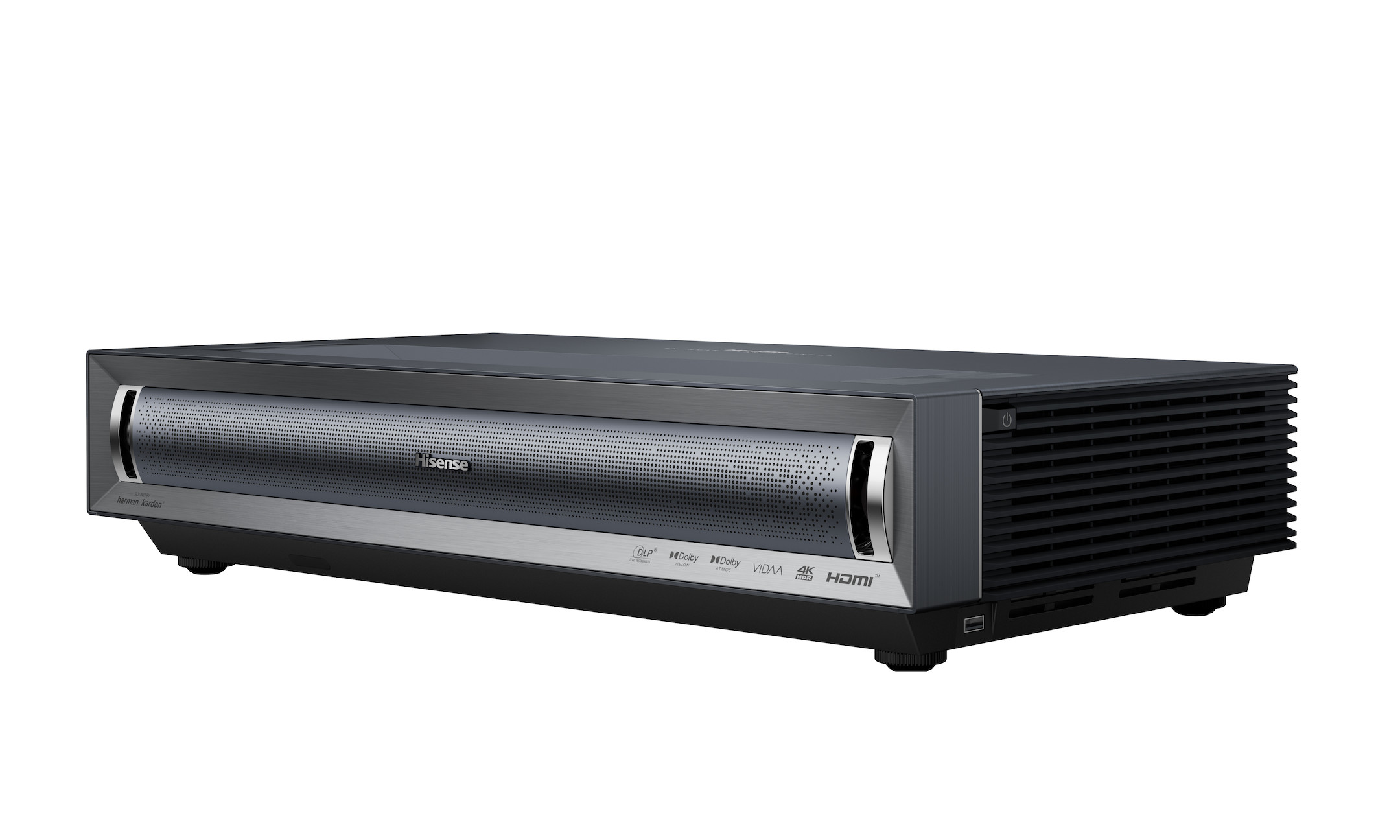
An ultra-short-throw projector sits near the wall, but the screen and cabinet positions need careful planning. The Hisense PX3-PRO is a strong place to compare that whole setup.
We may earn a commission from links in this guide. As an Amazon Associate I earn from qualifying purchases.
An ultra-short-throw projector keeps the machine near the wall, which sounds simple until the image lands too high or the cabinet is too shallow. A few inches of placement can change a large picture. You will also need a very flat surface or a screen intended for that projection angle, especially if ceiling lights stay on.
The Hisense PX3-PRO is our first choice for a permanent console setup. The PT1 is another front-of-room option; the AWOL Aetherion Pro is worth comparing when games are a priority. Calculate the image height and wall distance for your actual cabinet before buying any screen. The projector and the furniture have to be planned together.
Everything we recommend
Compare the picks

Our pick
Hisense PX3-PRO
The PX3-PRO is the first model to compare for a permanent movie-focused console setup. Its current listing includes Google TV and Dolby Vision support, but those features are only part of the decision. Check the official throw chart for your intended image size and the height of your cabinet. Make room for a flat UST screen and decide how external audio will connect. This is an involved room purchase, so the best fit is the one that lands the picture at a comfortable height without crowding the furniture.

Another console option
Hisense PT1
The PT1 is another Hisense option for a living room used frequently for streaming. Its built-in platform can simplify the system if you do not want a separate streaming box right away. Compare the current inputs, screen-size range and placement drawing with the PX3-PRO before choosing between them. A similar console shape does not guarantee that both projectors will sit at the same distance from the wall or produce the same image position.

For console gaming
AWOL VISION Aetherion Pro
Consider the Aetherion Pro if games will share the screen with movies. Before buying, check the supported refresh rate and input mode for your console at the resolution you plan to use. Picture correction may change which low-latency modes are available, so physical alignment still matters. If the room has daylight, plan the screen and light control as carefully as the projector. A gaming label alone cannot tell you whether the entire setup will feel responsive.

Compact console option
JMGO O2S Ultra
The O2S Ultra is the compact-body alternative in this group. That makes it interesting for a media unit that must also hold a receiver, console or other gear. Measure the actual projector footprint, cable bends and ventilation clearance instead of comparing body width alone. Its throw geometry still determines how far the cabinet sits from the wall and where the image appears. Choose it when those measurements work in your room, not merely because the chassis looks easier to place.

For a larger room setup
Epson Lifestudio Grand Plus
Epson’s Lifestudio Grand Plus is worth considering for a permanent living-room installation, particularly if you want to begin with its integrated speakers. That can reduce the number of boxes on the cabinet, although a separate sound system may still be preferable for a larger room. Check the current placement diagram, screen guidance and audio connections alongside the other models. A brighter-room plan also needs control of direct light and a compatible flat screen.
How to choose the best ultra short throw projector
A UST projector sits close to the wall, but it does not sit in the same place for every screen size. The lens-to-screen distance, height of the image above the cabinet and width of the cabinet all change the installation. Before choosing a model, decide where the bottom edge of the picture should land and how high you want to look while seated. Then use that projector’s current placement diagram to mark the lens and cabinet positions.
Make a paper or painter’s-tape outline for the proposed screen on the wall. Measure from the viewing seats as well as the console. If the screen has to be raised too high to clear the projector, a lower cabinet or a different screen size may be better than forcing the largest advertised image into the room. Leave space behind and around the chassis for cables and the maker’s ventilation clearance. A recessed shelf can look tidy yet make adjustment and airflow harder.
Choose the screen for the light path
A UST lens sends light toward the screen from a steep angle below. Texture, waves and small wall irregularities become easier to see than they are with a conventional projector farther back. A rigid, flat screen gives you a more predictable surface. In a living room with daylight, compare a screen specifically designed to reject light for a UST installation. A standard long-throw ALR screen may handle light from the wrong direction. Check the screen’s viewing-angle and placement guidance rather than buying on the ALR label alone.
A white wall can be a temporary way to test geometry before committing to a screen. It is a poor basis for judging final sharpness or contrast if the wall is textured or uneven. Include screen, furniture and any installation work in the project budget from the start.
Match the projector to how you will watch
Mostly movies at night
Prioritize the image size you can actually place, the sources you use and how you will control room light. The Hisense PX3-PRO is the larger permanent-console option in this group. The PT1 is another Hisense route if its current feature set and throw geometry better fit your furniture. Compare their official placement diagrams and input lists rather than treating them as interchangeable.
Games and movies on the same screen
Check the latency and refresh-rate claims for the exact resolution, input and picture mode you intend to use. Automatic keystone correction and other image processing can change which low-lag modes are available. The AWOL VISION Aetherion Pro is the gaming-oriented option here, but the right choice depends on the console, screen size and settings you will actually run. If a soundbar or receiver is part of the system, plan the audio connection and control path too.
A smaller piece of furniture
The JMGO O2S Ultra is worth comparing where cabinet space is tight. A smaller projector body does not automatically mean less room needed behind it or a lower image on the wall. Check its throw diagram before assuming it will fit a shallow console. The Epson Lifestudio Grand Plus is another permanent-room option, especially if you value its integrated audio at the start, but compare that with the sound system you ultimately want.
Our installation checklist
- Mark the image: Tape the intended screen corners on the wall at a comfortable viewing height.
- Mark the cabinet: Use the specific model’s diagram for the chosen image size, such as the Hisense PX3-PRO manual and setup information, not a generic UST distance.
- Check surfaces: Account for wall flatness, the screen’s light-rejection design and any mounting hardware.
- Route the system: Confirm input, audio and power locations before pushing the furniture into place.
- Leave adjustment room: Keep access to focus, alignment, ventilation and future cable changes.
Focus and digital correction can make a setup easier, but they do not remove the need for a level, stable surface and a flat screen. A cabinet moved by even a small amount can shift the picture relative to a fixed frame.
How we compared these models
We evaluated the five choices through their stated placement needs, use cases, screen strategy and connection requirements. We did not perform controlled same-room measurements of brightness, black level, color or fan noise. Published lumen and contrast numbers can be measured or presented differently, so they should not be treated as a direct head-to-head result. For an expensive permanent installation, compare the latest maker diagrams and independent measured reviews before buying.
Frequently asked questions
Can I use a painted wall?
Yes for a preliminary placement test. Expect texture and unevenness to be more visible with the steep UST angle. A flat screen is the more reliable basis for evaluating the final picture.
Will any ALR screen work?
No. Look for a screen intended for ultra-short-throw light arriving from below, and check the screen maker’s guidance for the light in your room.
Can I put the projector inside a media cabinet?
Only if the cabinet meets the projector maker’s ventilation and placement requirements. A shelf lip can also block the beam or make alignment difficult. Verify the full path from lens to screen.
Do I need a separate streaming device or sound system?
That depends on the model’s built-in platform and speakers, plus the services and audio quality you want. Map out the inputs and audio connection before purchase so the cabinet has room for the rest of the system.